

How to Plan Wedding Transport for the Couple and Guests
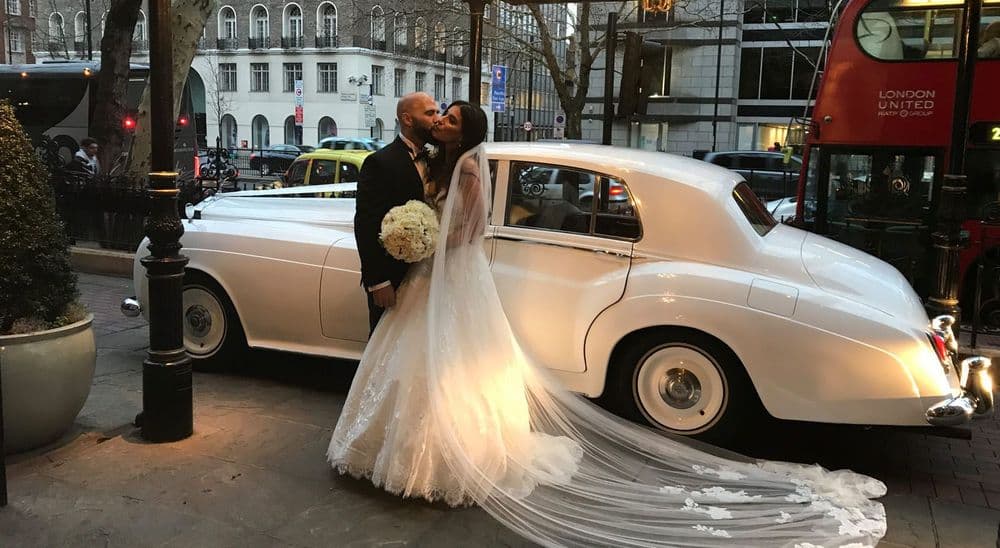
Wedding transport works best when it is treated as part of the event schedule rather than a single car booking. The couple, close family, wedding party and guests may all need different collection times, vehicles and meeting points.
Build the ceremony timeline first
Start with the ceremony time and work backwards. Include time for photographs, dressing, loading dresses or flowers, boarding passengers and possible traffic. The planned arrival should be earlier than the final acceptable arrival.
Check every venue address
Record full addresses and postcodes for the preparation location, ceremony, reception and hotel. Country estates, churches and large hotels may have several entrances, so confirm the gate or driveway that vehicles must use.
Assign vehicles by role
Different parts of the wedding party may need different arrangements.
The couple’s vehicle
Consider clothing, ease of entry, privacy and the space required for a dress or bouquet. Confirm who will travel with the couple and whether the vehicle will remain for photographs or transfer to the reception.
Family and wedding party
Create a passenger list for each vehicle. Larger vehicles can keep family members or attendants together, but luggage, dresses and equipment still need to be counted.
Guest transport
For minibuses or coaches, specify the collection point, departure time and a named group contact. Tell guests that the vehicle cannot wait indefinitely if the ceremony schedule must be protected.
Allow for photographs and venue access
Photographers may request the vehicle at a particular angle or location. Discuss this in advance because some venues restrict access, parking or engine idling. Extra manoeuvring and photo time should be included in the hire period.
Plan for luggage and overnight stays
Hotel collections after the reception can involve suitcases, gifts and decorations. Passenger transport planned for the ceremony may not have enough luggage capacity the following morning. Record each journey separately.
Coordinate suppliers
Share the confirmed transport schedule with the venue coordinator, wedding planner and photographer. Include driver access instructions, supplier parking information and the contact responsible for last-minute decisions.
Prepare for delays
Add a buffer for traffic, weather and slow boarding. An umbrella plan and a clear indoor meeting point can prevent confusion. If several vehicles are involved, decide whether they should arrive together or at staggered times.
Confirm the final passenger list
Names, mobile numbers and vehicle assignments should be finalised before the event. Tell the operator about children, mobility needs, child seats and elderly passengers who may require more boarding time.
Wedding transport checklist
Confirm:
• ceremony and reception addresses
• required arrival times
• vehicle access and parking rules
• passenger names for every journey
• luggage, dresses and special equipment
• child seats and accessibility needs
• photography requirements
• supplier and passenger contact numbers
• contingency time
• the final return or hotel transfers
A precise schedule helps the transport support the celebration without becoming a source of last-minute calls. The most suitable arrangement is the one that matches the passenger plan, venue rules and event timetable.