

How to Plan a Multi-Museum Day in London
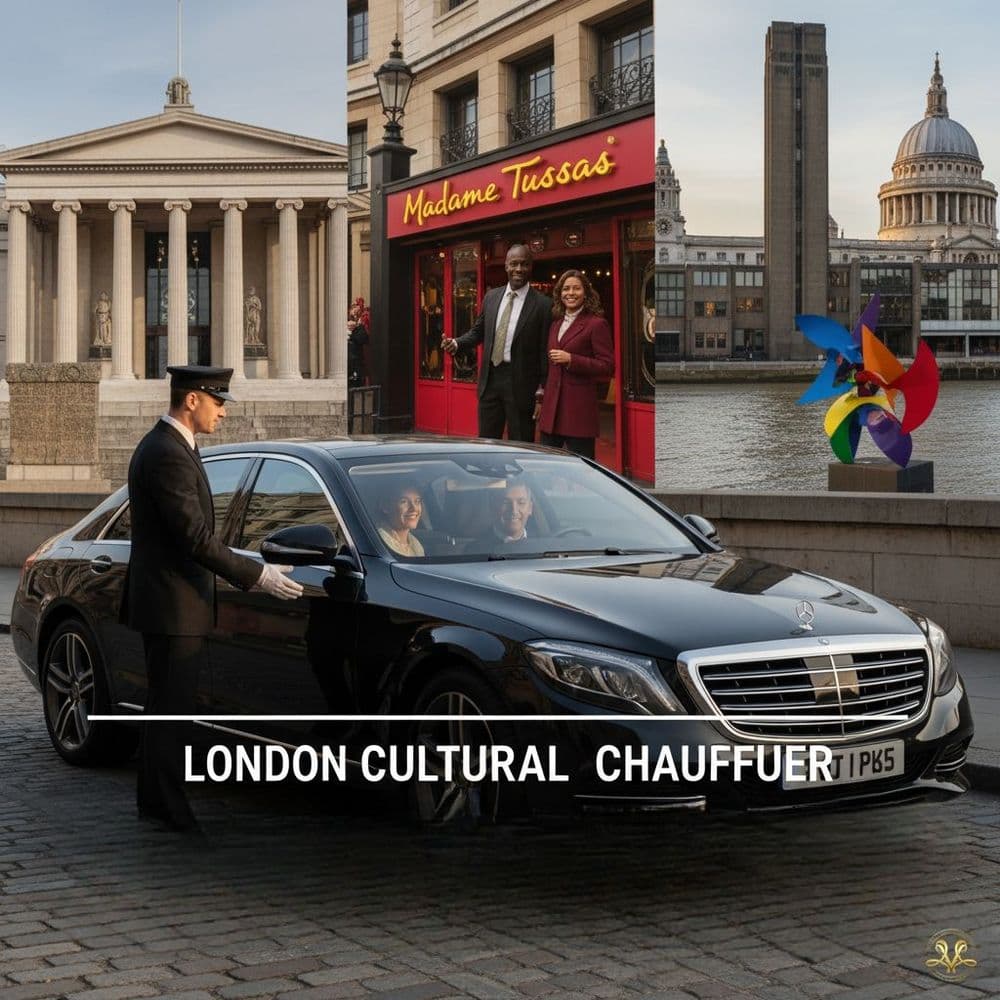
London has hundreds of museums and galleries, but trying to visit too many in one day can turn a cultural itinerary into a rushed journey. A better plan groups venues by area, allows time for security queues and includes clear meeting points between stops.
Choose two main museums
Two substantial museums are usually enough for one day. The British Museum, Victoria and Albert Museum, Natural History Museum and Tate Modern can each occupy several hours. Select one priority venue for the morning and one for the afternoon, then treat any smaller stop as optional.
Estimate realistic visit times
Allow at least two to three hours for a large collection, plus time for entry checks, cloakrooms and walking between galleries. Temporary exhibitions may use timed tickets, while popular rooms can become busy after late morning.
Group venues by location
Reducing cross-city travel gives visitors more time inside the museums.
Bloomsbury and Marylebone
The British Museum works well with the Charles Dickens Museum or Wellcome Collection. Madame Tussauds is farther west in Marylebone, so it is best treated as a separate major stop rather than a quick addition.
South Kensington
The Victoria and Albert Museum, Natural History Museum and Science Museum are close together. Visitors can move between them on foot, although families should still allow rest and meal breaks.
Bankside and the City
Tate Modern can be paired with Shakespeare’s Globe, Borough Market or a walk across Millennium Bridge towards St Paul’s Cathedral. Check opening times carefully because attractions and exhibitions do not all follow the same schedule.
Book timed entry before finalising transport
Reserve temporary exhibitions and ticketed attractions first. Build the route around those fixed times, leaving a buffer before each admission slot. Free museums may also recommend advance booking during weekends, school holidays and major exhibitions.
Plan lunch and rest breaks
Museum cafés are convenient but can be busy at peak times. A planned lunch stop of at least 45 minutes makes the afternoon more manageable. Families, older visitors and anyone with limited mobility may need additional seated breaks.
Set precise collection points
Large museums often have several entrances, and nearby roads may have stopping restrictions. Record the street name and entrance in the itinerary rather than writing only the museum name.
Allow for traffic and road restrictions
Central London journey times vary throughout the day. Temporary closures, demonstrations and major events can affect access with little notice. The schedule should include a buffer and avoid back-to-back timed bookings in different districts.
Prepare a simple day plan
A practical itinerary should include:
• each venue’s full name and address
• ticket or exhibition times
• the entrance and collection point
• a passenger contact number
• accessibility and child-seat requirements
• lunch and rest arrangements
• one optional stop that can be removed if the day runs late
For broader route ideas, read our private sightseeing planning guide. The best museum day is not the one with the longest list; it is the one that gives visitors enough time to enjoy each collection without watching the clock.