

How to Plan a Multi-Meeting Business Day in London
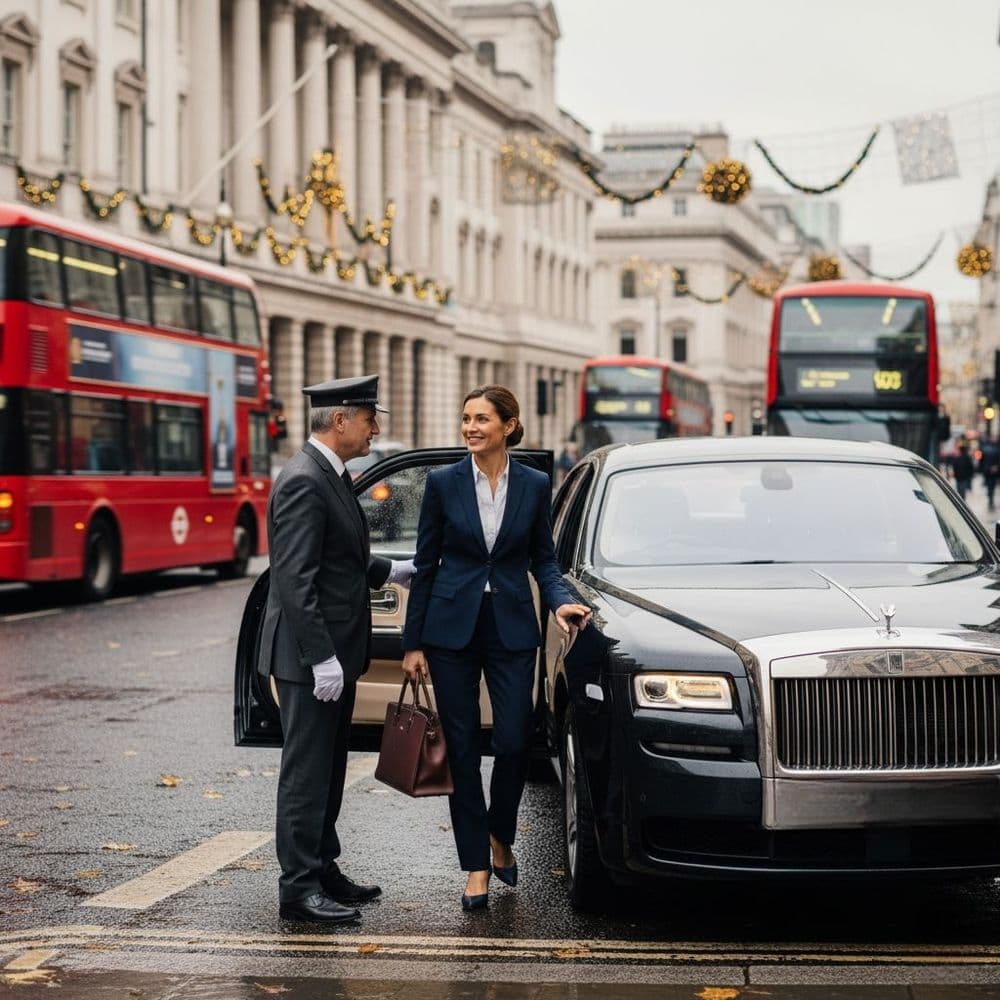
A business itinerary containing several London meetings should be planned around required arrival times, building access and realistic travel conditions. Distances that appear short on a map can take considerably longer during peak periods, while reception procedures and security checks add time before each appointment.
Build the itinerary backwards
Start with the meeting that has the least flexibility, such as a board presentation, investor session or timed airport departure. Work backwards from its required arrival time, then place flexible appointments around it.
Record every address and entrance
Company names alone are insufficient when an organisation occupies several buildings. Provide the complete street address, postcode and named entrance for each appointment. Include the host’s name, reception instructions and any visitor-registration requirement.
Allow time between meetings
Travel time should include leaving the first building, reaching the vehicle, driving, finding a permitted stopping point and entering the next location. A schedule that only considers driving time is likely to fail.
Plan for London business districts
The City, Canary Wharf, Mayfair, Westminster and Knightsbridge have different traffic, access and stopping conditions. Roadworks, demonstrations and major events can also change the practical route with limited notice.
Choose the right booking arrangement
Separate point-to-point transfers may work when the schedule contains only two fixed journeys. Hourly or as-directed hire is normally more practical when an executive has several appointments, needs the vehicle to remain available or expects the itinerary to change.
Keep one vehicle assigned
A dedicated vehicle provides continuity between meetings and allows personal items to remain in the car, subject to the operator’s security procedures. It also gives the organiser one chauffeur and one dispatch contact for schedule updates.
London VIP Chauffeur applies a minimum five-hour booking for hourly hire. The expected duration, included mileage, parking and additional-time charges should be confirmed before payment.
Coordinate airport and rail connections
For an airport arrival, supply the flight number, terminal, landing date, passenger count and luggage details. The timetable must allow for immigration, baggage collection and the journey into central London.
For departures, plan the hotel or office collection around airline check-in guidance and expected traffic. A final meeting should not finish so close to departure that a normal delay creates unnecessary risk.
Communicate changes clearly
Nominate one organiser who is authorised to update the itinerary. When a meeting overruns, tell the dispatch team the revised departure time and confirm whether later appointments should move.
Avoid sending different instructions through several passengers or assistants. A single confirmed schedule reduces misunderstandings, particularly when several vehicles are involved.
Information for the chauffeur briefing
Provide passenger names, mobile contacts, every collection and destination, required arrival times, luggage quantities, preferred vehicle and any confidentiality or accessibility requirement. Identify which appointments are fixed and which can move.
For multi-vehicle journeys, assign passengers to vehicles in advance and provide one lead organiser. Driver details should be shared through the agreed communication channel before travel.
This guide addresses itinerary planning rather than promoting a general chauffeur service. For complex financial and corporate schedules, review our London roadshow chauffeur coordination.