

London Major Events Transport Planning Guide
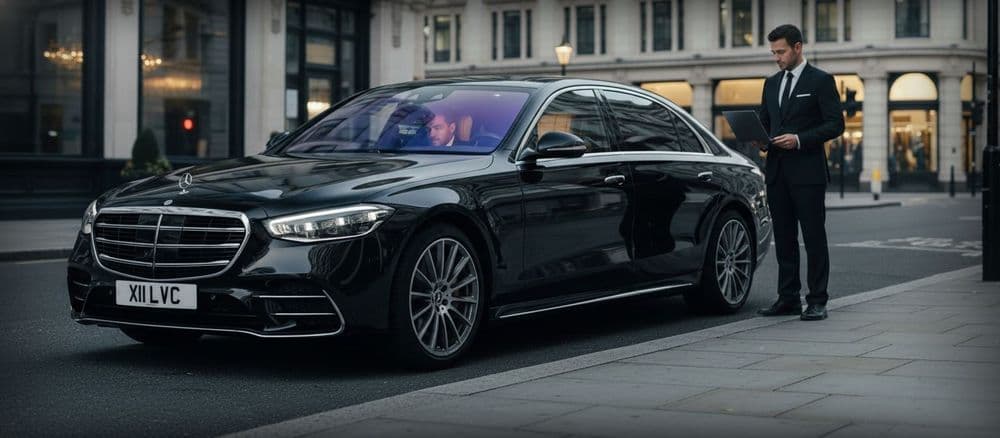
Major London events create unusual transport conditions. Road closures, restricted vehicle access, security cordons and concentrated departure traffic can turn a straightforward journey into a complex itinerary. Effective planning begins with the event schedule and the passenger’s required arrival time, not simply the estimated driving time shown on a map.
Plan around the event timetable
Check when the venue opens, when hospitality begins and whether guests must collect accreditation before entering. A concert, sporting fixture, awards ceremony or fashion event may require arrival considerably earlier than its advertised starting time.
Choose a realistic arrival window
Allow time for central London traffic, security checks and the final walk from the permitted drop-off point. Vehicles cannot always stop directly outside an entrance, particularly when temporary restrictions are operating. Your chauffeur should receive the venue name, entrance, hospitality suite and required arrival time before travel.
Plan the return before the event
Agree a return meeting point and communication plan in advance. Temporary barriers may prevent the chauffeur from returning to the original drop-off location. Mobile networks can also become congested when thousands of guests leave simultaneously. A clearly identified alternative meeting point helps avoid confusion.
Choose the appropriate booking format
A fixed transfer is suitable when the collection and return times are known. Hourly or as-directed hire is usually more practical when the finishing time is uncertain, the itinerary includes several venues or the vehicle must remain available between engagements.
Fixed transfer or hourly hire
With a fixed transfer, each journey is quoted around the confirmed pickup time and route. With hourly hire, the chauffeur and vehicle remain assigned for the agreed period. London VIP Chauffeur applies a minimum five-hour booking for hourly hire. Additional time, mileage, parking and itinerary changes should be understood before payment.
Select a suitable vehicle
An executive saloon can accommodate up to three passengers with limited luggage. An S-Class or BMW 7 Series provides first-class comfort for VIP and corporate guests. A Mercedes-Benz V-Class is often better for groups, production teams, additional clothing or equipment. Passenger capacity should always be checked against everything being carried.
Venue access and traffic controls
Event organisers, venues, police and local authorities may introduce temporary access rules without guaranteeing a particular kerbside drop-off. The chauffeur can plan an appropriate approach and monitor traffic, but must follow live instructions at the venue.
Share any accreditation, vehicle-pass or designated parking information as soon as it becomes available. For multi-vehicle bookings, nominate one organiser who can confirm schedule changes with the dispatch team.
Information to provide when booking
Send the event date, complete collection address, venue and entrance, required arrival time, passenger numbers, luggage or equipment details and preferred vehicle. Include the planned return time, every intermediate stop and the mobile number of the travelling passenger or organiser.
For events involving executives, performers, diplomatic guests or several vehicles, provide the running order and named passenger list where appropriate. Clear information allows the journey to be planned realistically and reduces last-minute changes.
This article is a practical planning guide rather than a listing of temporary event dates. For available transport options and quotation details, explore our London events chauffeur services.
For an itinerary that requires a vehicle on standby, review our hourly chauffeur hire.